Showing all 3 results
-
Why We Get Sick — Benjamin Bikman
Michelle’s Review:
This book is a clear, easy-to-read, punchy, and practical account of why we are sick — it clarifies why modern habits drive insulin resistance and metabolic chaos. Bikman makes the science simple, then shows exactly how food, movement, sleep, and stress control your hormones.
The truth is, when insulin stays high, everything else breaks—energy, mood, weight, cravings. Read it if you want a no-nonsense map to lower insulin, eat protein first, and get your vitality back.
-
Toxic Superfoods — Sally K. Norton
Michelle’s Review:
Norton argues that many trendy “superfoods” (such as spinach, almonds, sweet potatoes, beet greens, cacao) are very high in oxalates, natural plant compounds that can accumulate and trigger issues like kidney stones, joint pain, fatigue, gut and skin problems, and brain fog. She explains how oxalates are absorbed, how crystals can lodge in tissues, why symptoms are often missed, and why going low-oxalate too fast can backfire (“oxalate dumping”). The practical core of the book is a step-by-step plan: gradually reduce high-oxalate foods, use cooking and soaking to lower oxalate load, pair calcium-rich foods with oxalate-containing meals, hydrate, and avoid large vitamin C doses that can raise oxalate. You also get charts of foods to
limit or swap, plus guidance to track symptoms and progress. Overall, it’s a cautionary, protocol-driven guide for people who suspect oxalates are a hidden driver of their health complaints.This is, in my opinion, a very worth read as it perhaps explains a lot of symptoms we are getting, as a result of high plant-chemical foods in our modern diet.
-
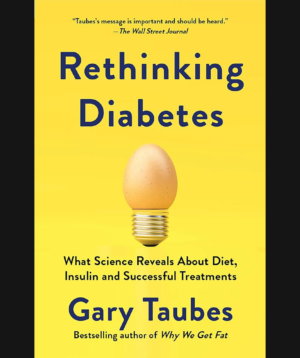
Rethinking Diabetes — Gary Taubes
Michelle’s Review:
Gary Taubes argues we’ve mishandled diabetes by centering treatment on insulin and medications while sidelining carbohydrate restriction and the book’s older, diet-first roots. He traces the history from pre-insulin meat/fasting regimens to modern high-carb guidelines, reframing Type 2 diabetes as largely a problem of carbohydrate intolerance driven by insulin resistance in modern times.
Marshalling research, case histories and clinician experience, he makes a rigorous—sometimes controversial—case that low-carb/ketogenic approaches can normalise blood glucose, reduce medications and improve metabolic markers, while critiquing weak nutrition science. Whether you agree or not, it’s a clear, provocative rethink that equips patients and clinicians with sharper questions and a practical framework to test in the real world.